
When Lung Sliding Stops: Does It Really Mean Pneumothorax?
Written by: Dr. Kiran Kaur
Edited by: Dr. Joann Hsu
A 75-year-old male with a history of COPD, hypertension, hyperlipidemia, and nasopharyngeal cancer status post PEG tube placement was brought to an outside hospital by EMS for chest pain and shortness of breath.
On arrival, he was saturating 68% on room air with diffuse bilateral wheezing. Given concern for a severe COPD exacerbation, he was treated with bronchodilators and placed on BiPAP.
Shortly after initiation of positive pressure ventilation, the patient complained of worsening dyspnea. Repeat examination revealed markedly decreased breath sounds on the left side. General surgery placed pigtail and recommended transfer to NYPQ for thoracic surgery service.
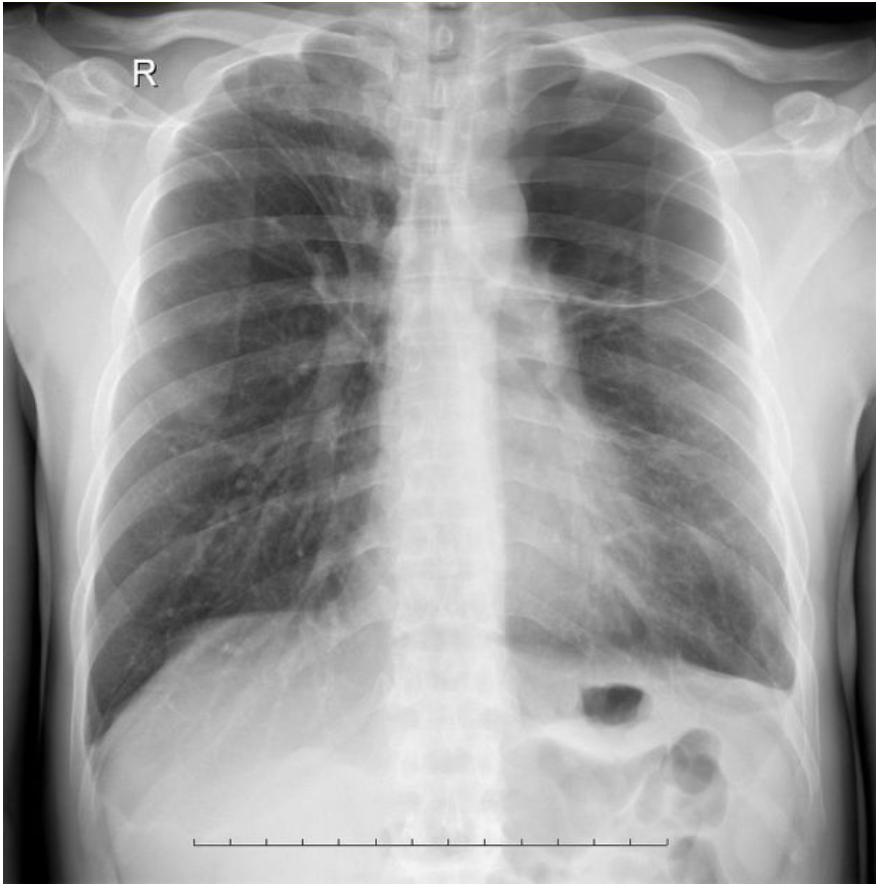
IMAGE A: Chest xray from Radiopedia showing a patient with bullous emphysematous disease similar to our patient.
Differential For Worsening Dyspnea After Initiation of Bipap in COPD Exacerbation
Progression of COPD
Pulmonary Embolism
Pneumothorax
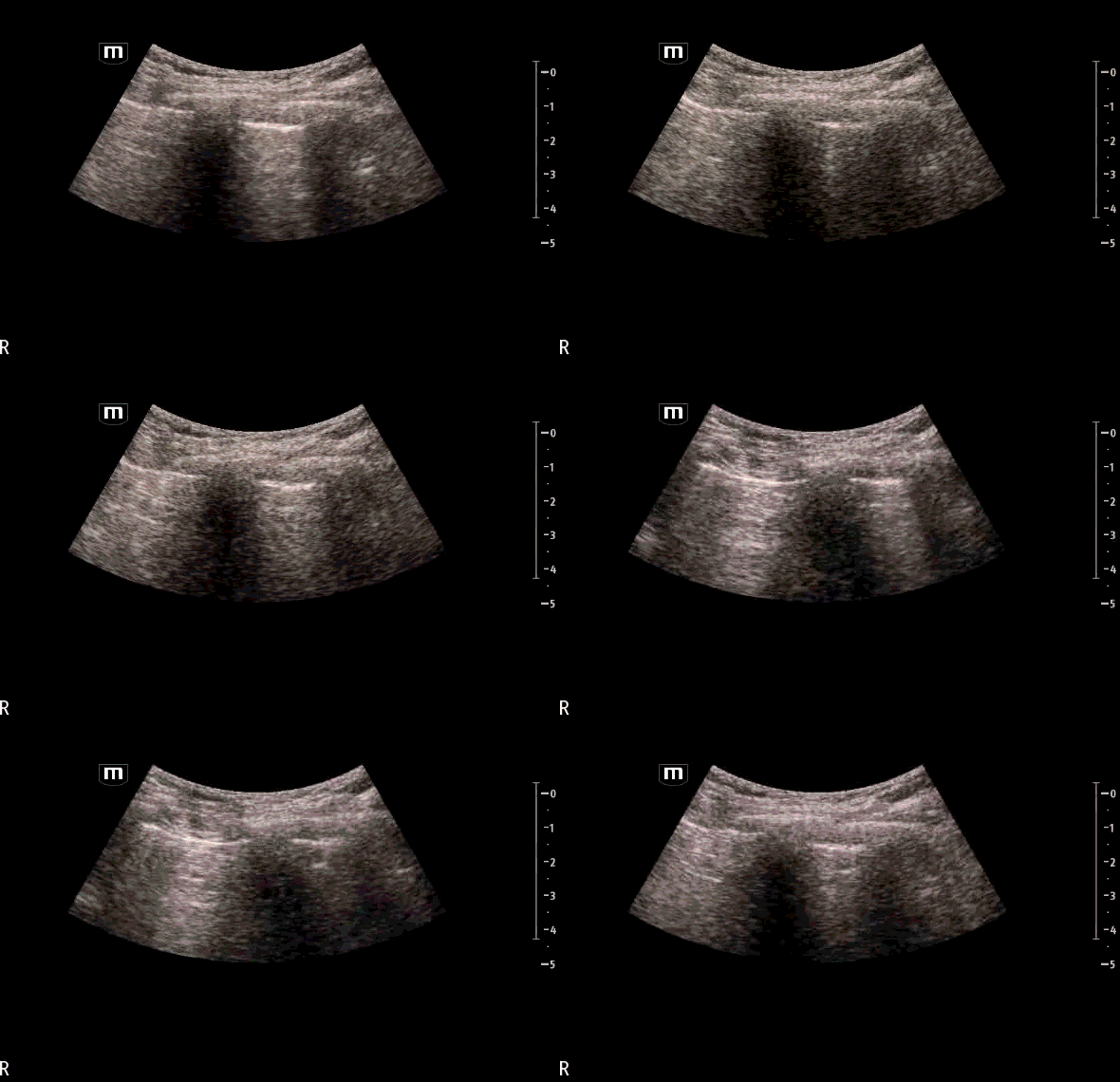
On arrival to NYPQ, the patient continues to feel short of breath and complains of chest pain. Bedside ultrasound was performed which showed the following:
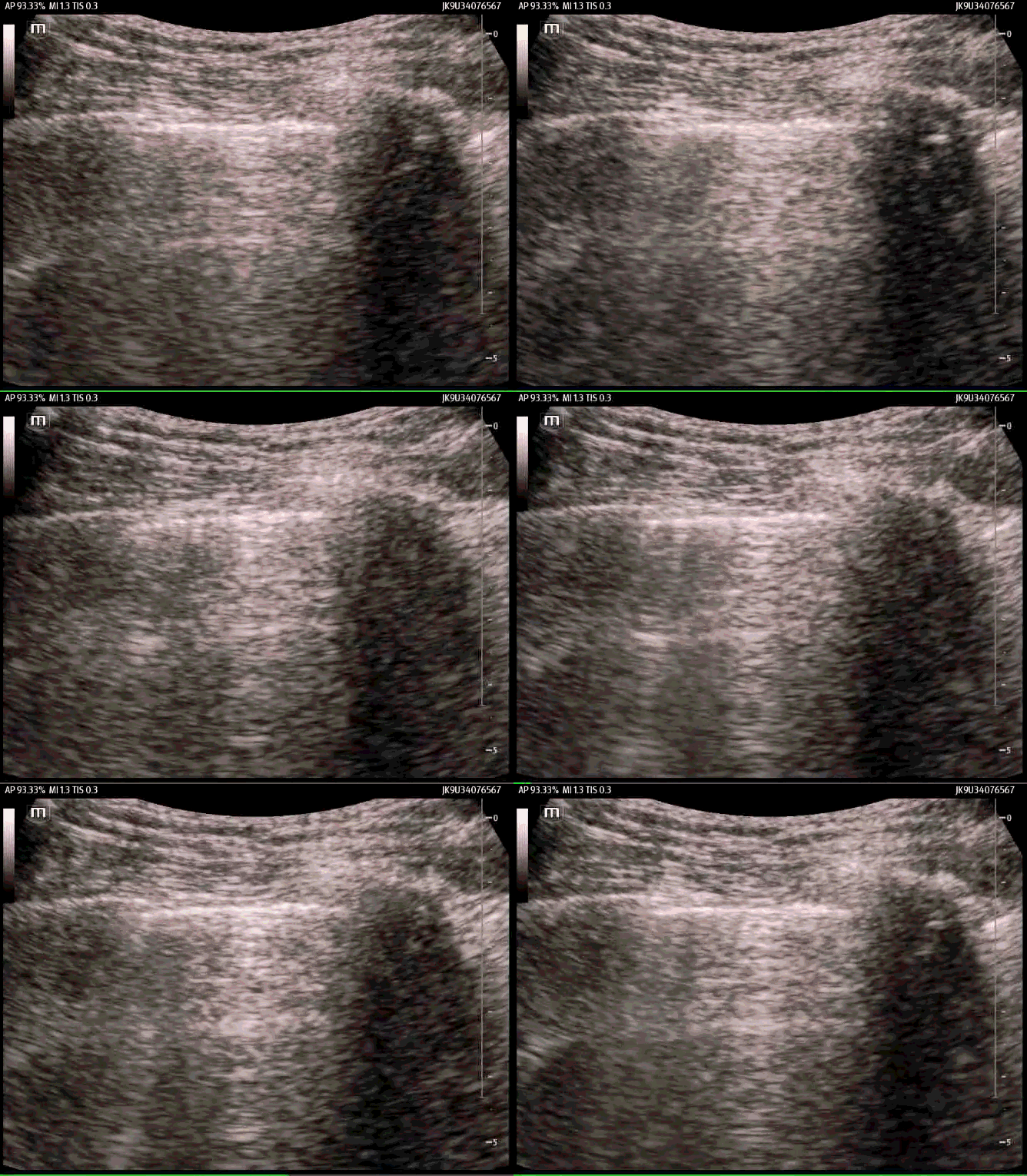
The images above show the transition between normally aerated lung and collapsed lung, known as the lung point.
This finding represents the exact location where the visceral and parietal pleura intermittently come back into contact during respiration.
When identified, the lung point is highly specific for pneumothorax and can help confirm the diagnosis at the bedside.
However, it is important to remember that absent lung sliding alone does not always mean pneumothorax.
Lung sliding may also be absent or difficult to appreciate in patients with severe COPD, bullous emphysema, large blebs, prior pleurodesis, pleural adhesions, mainstem intubation, mucus plugging, apnea, or minimal ventilation.
In these cases, the lung point becomes especially helpful because it moves the diagnosis from suspicion to confirmation.
Here are more images from the bedside lung ultrasound:
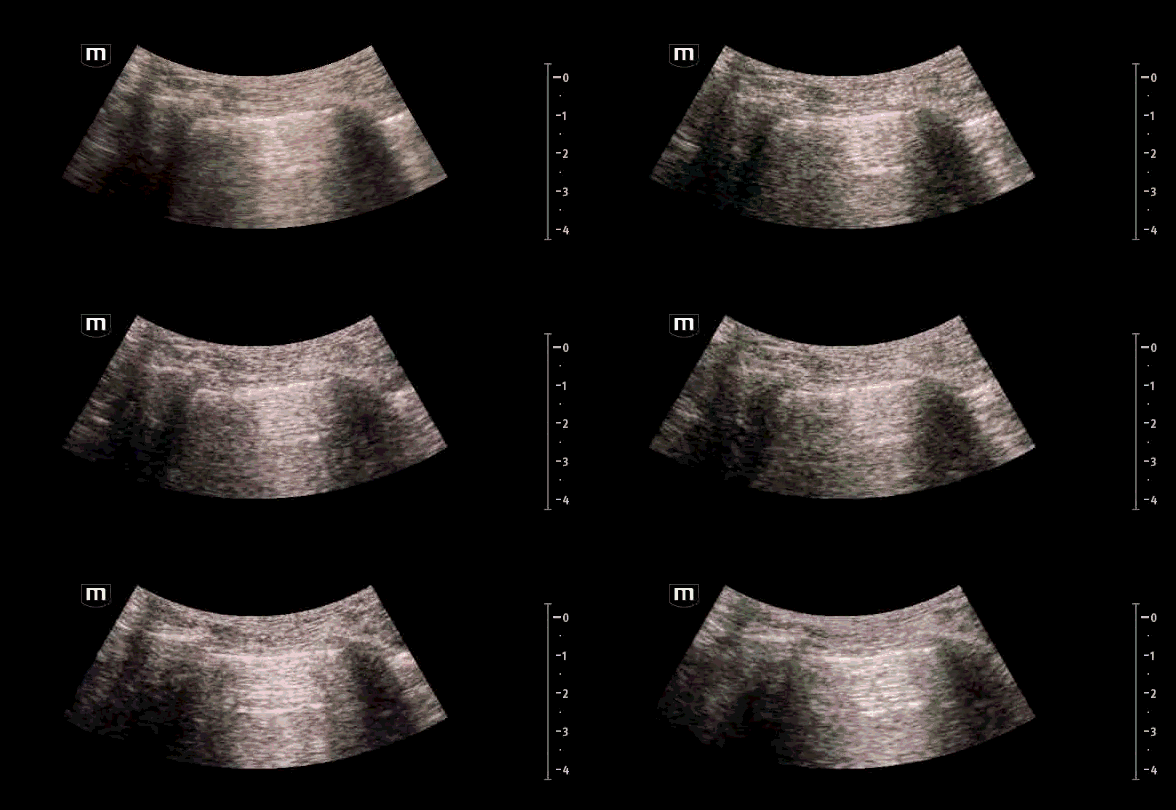
A lines present, no lung sliding
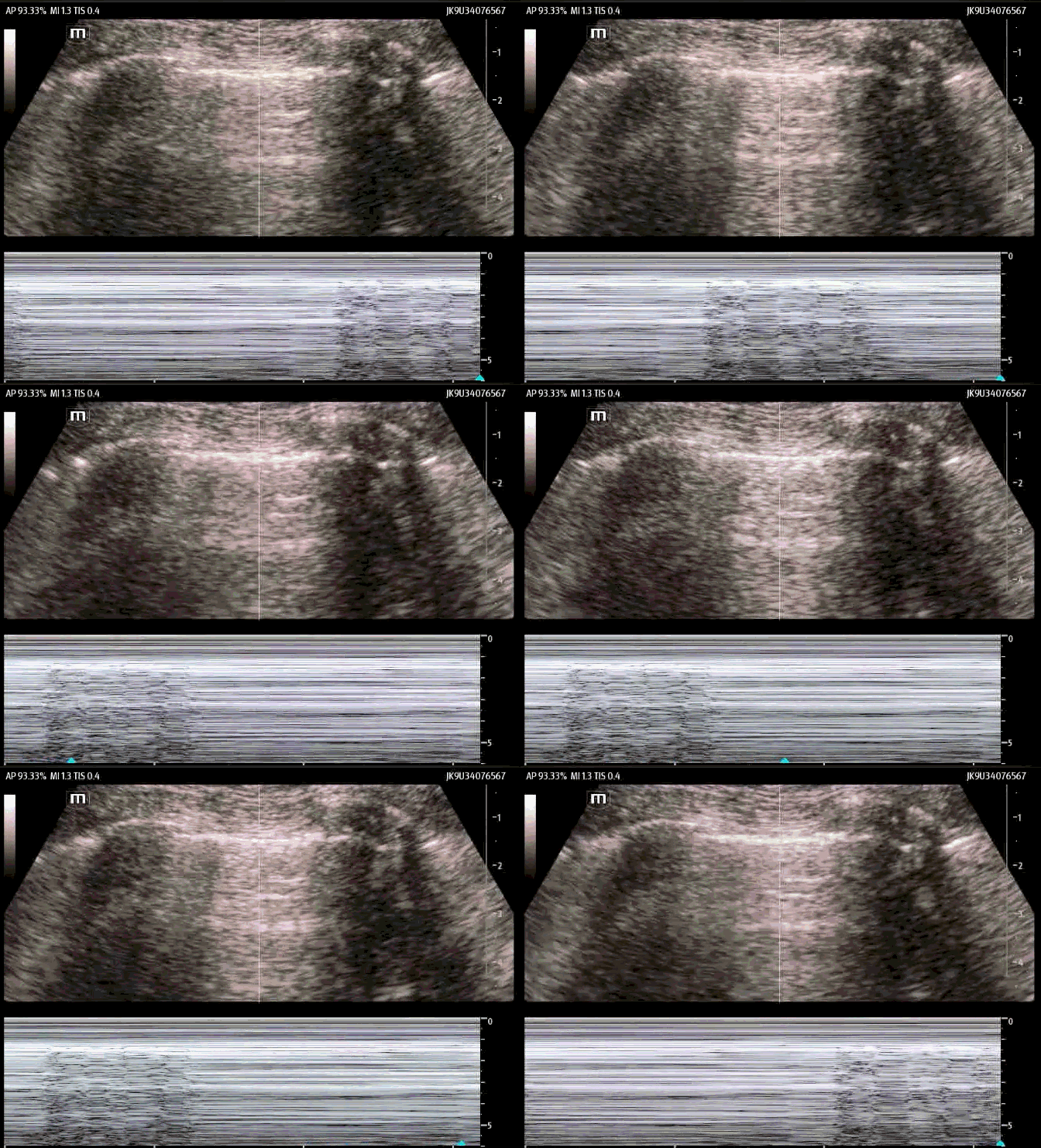
Using M mode: you see the barcode sign which is more evidence of absent lung sliding
What Happened To This Patient?
Review of prior imaging revealed extensive bullous emphysema with large blebs.
Patients with severe emphysema are at increased risk for barotrauma. Positive pressure ventilation can increase alveolar pressures, leading to rupture of fragile blebs and accumulation of air within the pleural space.
In this case, the likely sequence was:
BiPAP → bleb rupture → Left side pneumothorax → Bilateral PTX
A pigtail thoracostomy tube was placed with subsequent improvement in respiratory status, however patient developed bilateral pneumothoraxes and required bilateral VATS, pleurodesis and blebectomy to prevent future pneumothoraces.
Scanning Beyond the Case: Overview of Lung Ultrasound
A structured lung ultrasound exam helps avoid relying on one view or one finding. In a rapid ED scan, divide each hemithorax into four basic views: anterior superior, anterior inferior, lateral superior, and lateral inferior. The anterior views are especially important when evaluating for pneumothorax in a supine patient, because pleural air rises to the least dependent portion of the chest. If the patient is sitting upright, start at the upper anterior chest and apices, then scan laterally.
Posterior lung views can be added when the patient can safely sit up or roll. These views are helpful for evaluating dependent pathology such as pleural effusions, pneumonia, atelectasis, and B-lines, but they are usually not the first place to look for pneumothorax in a supine patient.
A few pitfalls are worth remembering. Absent lung sliding does not always mean pneumothorax and may also be seen with bullous emphysema, pleurodesis, pleural adhesions, mucus plugging, mainstem intubation, apnea, or minimal ventilation. On the left chest, cardiac motion can mimic pleural movement when scanning near the heart, so move superiorly or laterally if the view is confusing. Subcutaneous air can obscure the pleural line completely; if you cannot see the pleura, you cannot assess sliding. Use a linear probe when possible, keep the depth shallow, and place the focus at the pleural line.
During cardiac arrest, lung ultrasound can help identify reversible causes such as tension pneumothorax, but scanning should not interrupt compressions. Obtain images during pulse checks and remember that apnea or low tidal volume ventilation can also cause absent sliding.
Happy scanning!